by AFRL PA | Apr 19, 2021 | Podcast, Success Stories
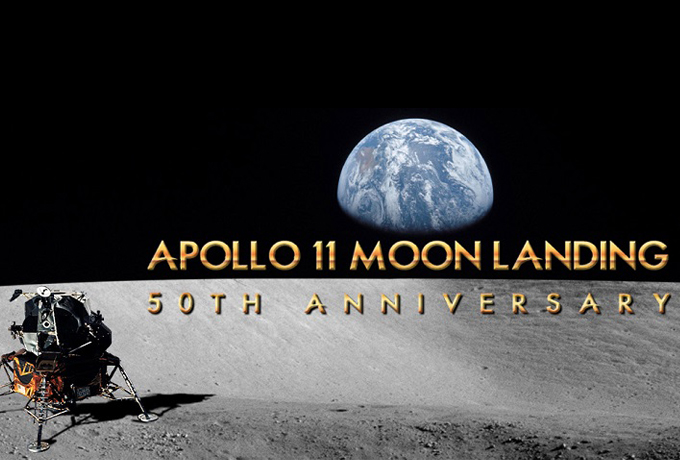
Just in time for the 50th Anniversary of the Lunar Landing, we bring you some Air Force space history from the lab! In this episode of Lab Life, Air Force Research Laboratory historian Kevin Rusnak helps separate fact from fiction as he explains all of the...

by AFRL PA | Apr 19, 2021 | 100 Years, Success Stories
Take a look into the evolution of the laboratories that would one day meld into One Air Force Research Laboratory. Since its beginnings at McCook Field in 1917, AFRL’s science and technology pioneers have understood that research is the key to air supremacy and...

by AFRL PA | Apr 19, 2021 | 100 Years, Success Stories
At the beginning of the aviation age, the airplane had one mission, staying in the air. As the speed and altitude of planes increased, they quickly outpace the pilot’s ability to react to the ever-increasing sensory load. From the early instrumentation of the Wright...

by AFRL PA | Apr 19, 2021 | 100 Years, Success Stories
Flying at altitudes over 25,000 feet allows aircraft to fly above turbulence and enables engines to perform more efficiently, as airframes move through the atmosphere with much less resistance than found in lower altitudes. For a century, the Air Force Research...

by AFRL PA | Apr 19, 2021 | 100 Years, Success Stories
Bombing is complicated. Airspeed, direction, wind, and atmospheric conditions all affect the falling munition. The inaccuracy of bombing systems during World War II demanded the deployment of large bombing armadas, resulting in heavy bomber and crew losses and...

by AFRL PA | Apr 19, 2021 | 100 Years, Success Stories
Aviation pioneers, such as the Wright Brothers, as well as modern-day AFRL scientists and engineers, have all realized that the ability and willingness to test and adjust research calculations is vital to the successful development of technology.
