
EGLIN AIR FORCE BASE, Fla. — A solo F-16 Fighting Falcon test pilot taxis through the Florida humidity toward a mission take off for the 96th Test Wing. From the outside, this is just another F-16 sortie on another day on the Eglin flight line. However, on the inside of the F-16, it carries new technology known as the Viper Experimentation and Next-gen Operations Model – Autonomy Flying Testbed program, or VENOM.
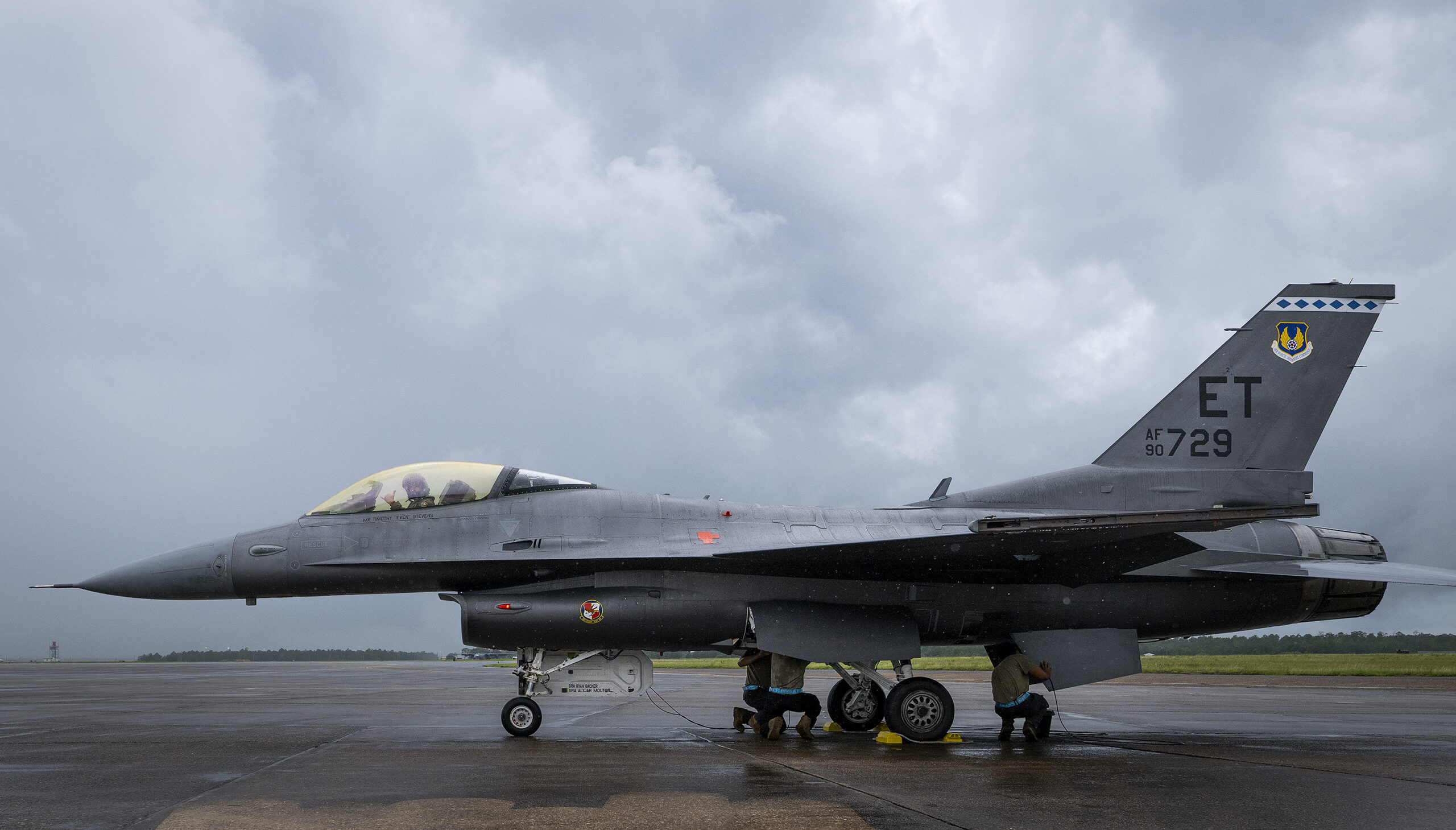
The VENOM F-16s are modified test platforms with additional hardware, software, and instrumentation to allow artificial intelligence agents to fly the aircraft.
These modified F-16s began flights in June to ensure the aircraft works properly and safely with all the technology upgrades. The team then moved to successful in-air testing using an agent to autonomously control the flight in July.
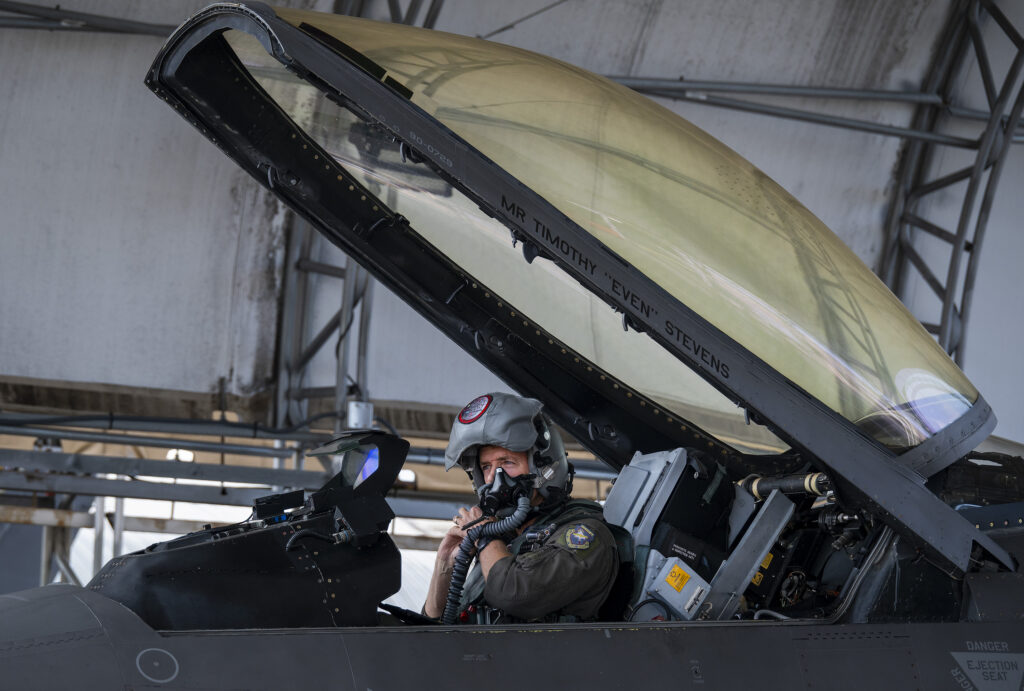
During these flights, pilots are in the cockpit to monitor the AI agents and ensure flight and mission systems test objectives are met to rapidly evolve autonomous capabilities.
“Getting the aircraft into the air is always a monumental milestone for a complex test program,” said Tim Stevens, a VENOM test pilot with the 40th Flight Test Squadron. “It represents years of design, modification and test planning poured into this project by a dedicated team of hundreds. As we cross this starting line, we are excited to watch VENOM redefine the boundaries of autonomous flight.”
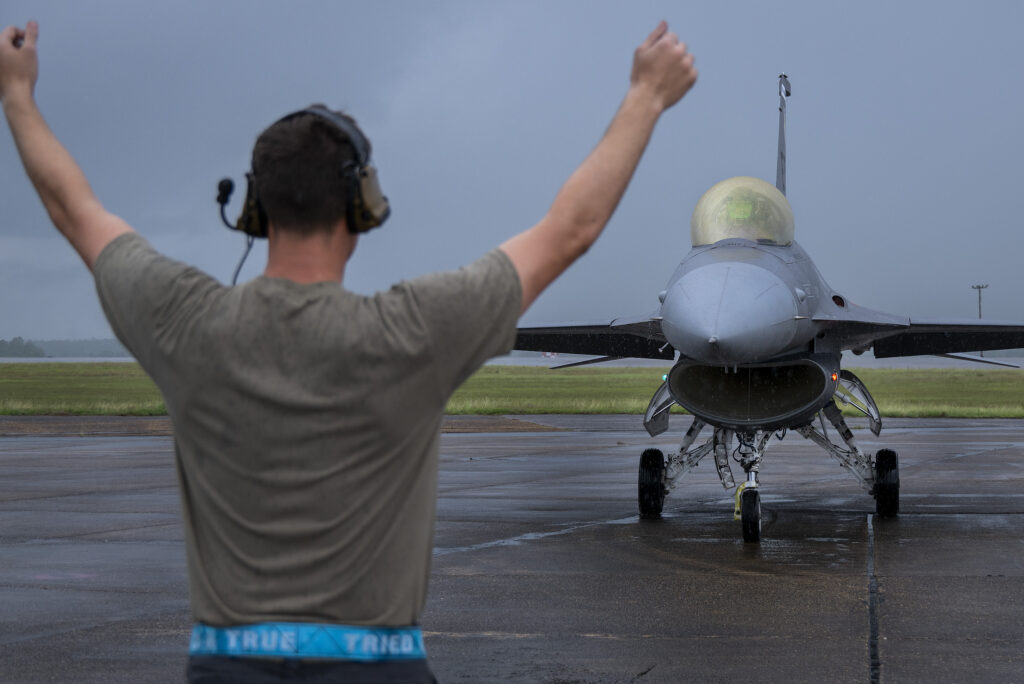
Putting VENOM in the air took months of ground testing of the aircraft’s engines and systems and countless simulation hours dating back to 2024. These ground tests verified the functionality of the VENOM kit, host instrumentation, aircraft maintenance checks, and overall aircraft airworthiness.
The early tests have mostly been through the developmental testers of the 40th FLTS, but the VENOM program is a 53rd Wing and 96th TW collaborative effort with the support of Defense Advanced Research Projects Agency.
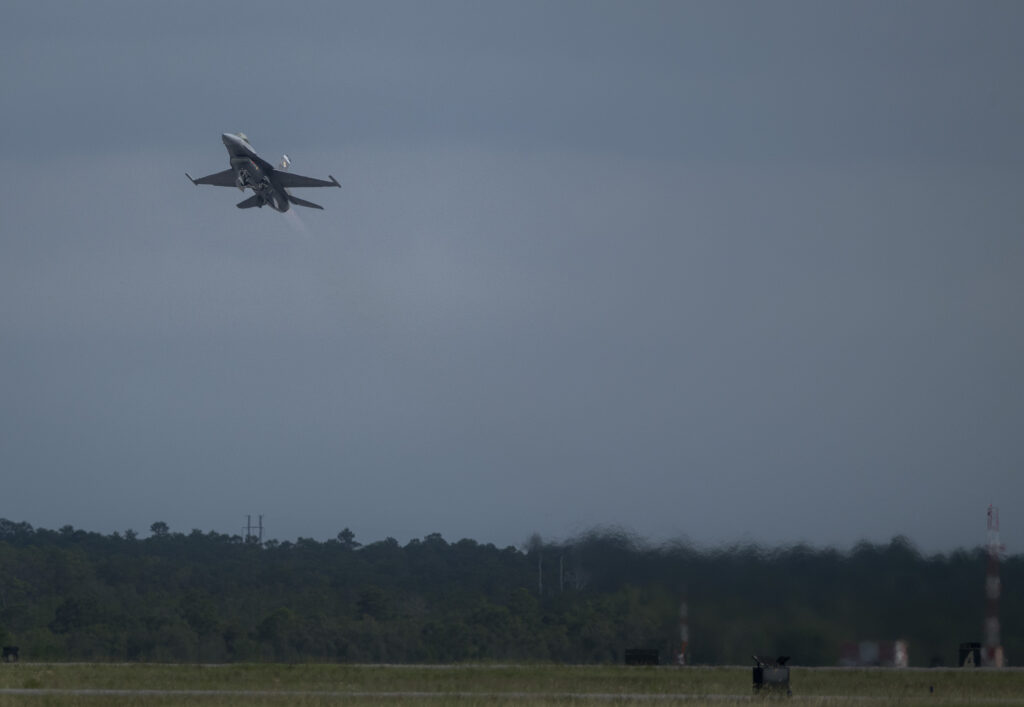
This VENOM team learns from and finds ways to improve the program with each one of these flights,” said Michae Blaine, 40th FLTS VENOM program manager. “These continuous improvements ensure the aircraft are prepared, safe and ready to rapidly advance autonomous flight.”
VENOM is a joint effort between DARPA and the Air Force, initiated under the Air Combat Evolution program. VENOM aircraft will serve as a cornerstone for the next phase of AI development under DARPA’s Artificial Intelligence Reinforcements program.