
WRIGHT-PATTERSON AIR FORCE BASE, Ohio -- The Air Force Research Laboratory (AFRL) is transforming how it connects scientists and engineers with the operators who depend on the lab’s technologies.
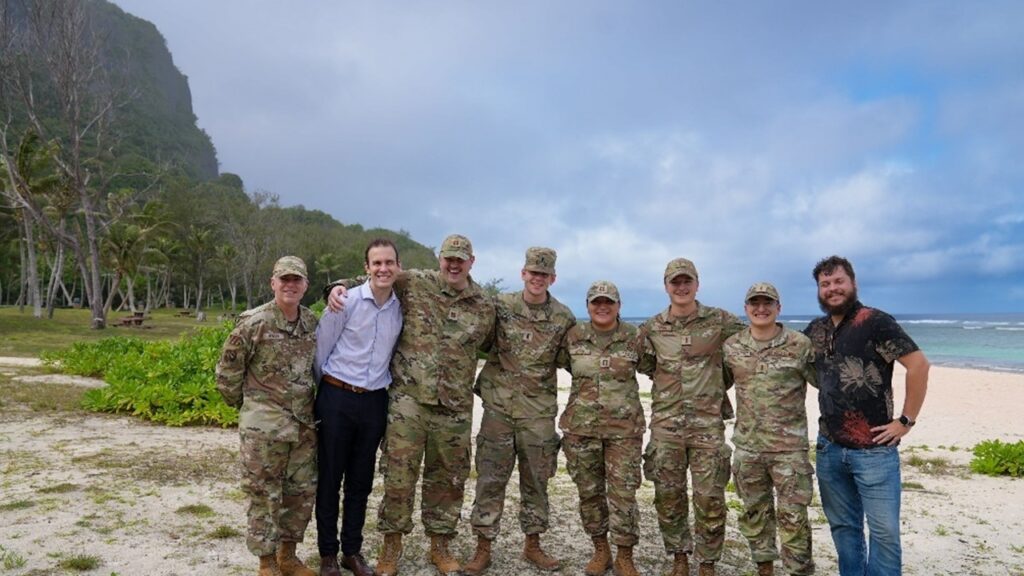
AFRL’s new “Operationalize the Lab” initiative immerses early-career science and technology (S&T) leaders in operational environments to strengthen their understanding of the warfighting mission and the impact of their work. This initiative is part of AFRL’s overarching strategy to tightly align S&T development with operational needs to accelerate the delivery of war-winning capabilities.
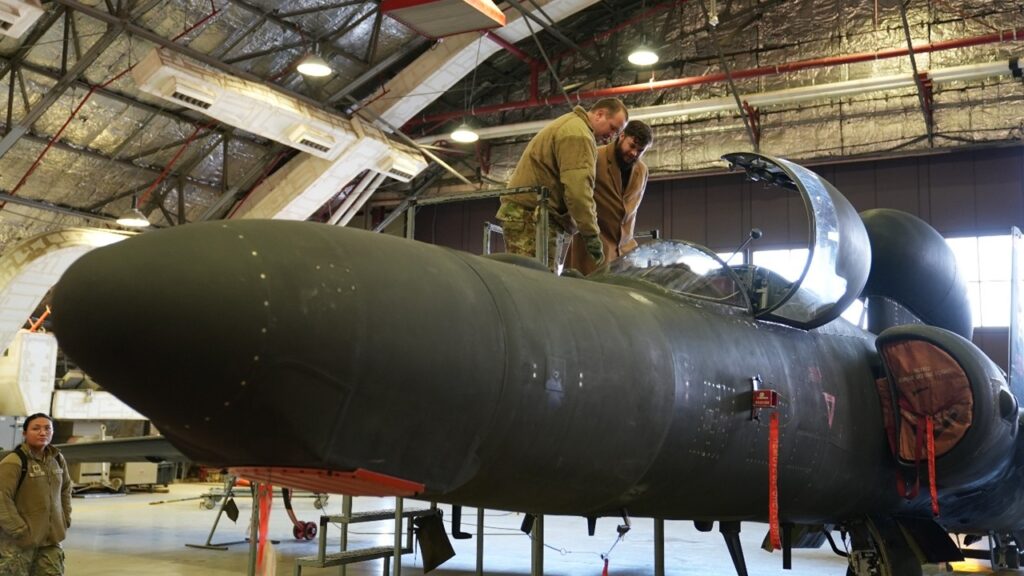
Spearheaded by AFRL Command Chief Master Sgt. Timothey Hodgin, the inaugural “Operationalize the Lab” took AFRL personnel to the Indo-Pacific theater earlier this year. During the visits, participants engaged with personnel at Osan Air Base, Republic of Korea (ROK), and Andersen Air Force Base, Guam, to gain a better understanding of those mission requirements and opportunities for the lab’s innovative science and technology.
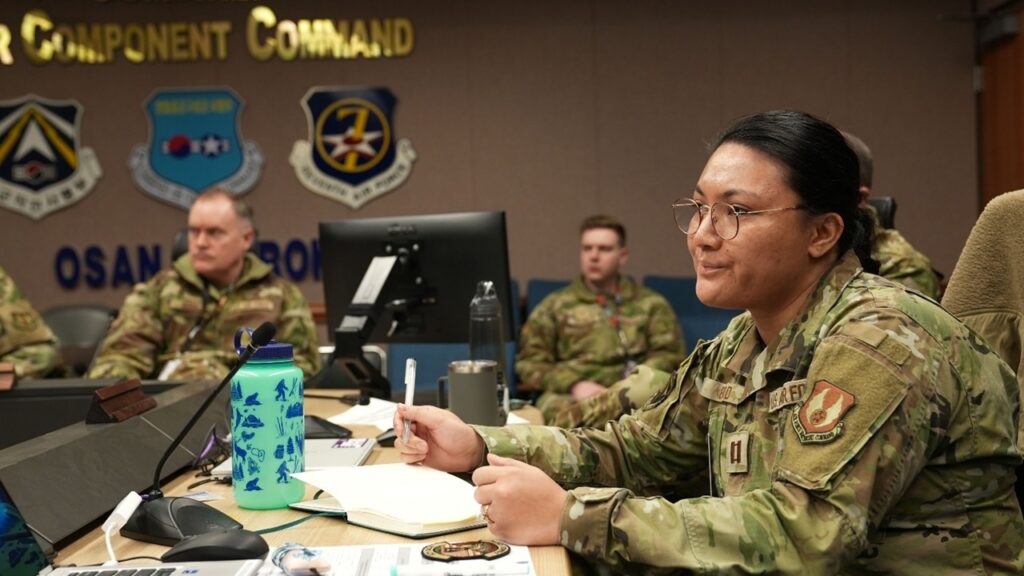
“Our workforce accomplishes incredible things in the lab every day, but they don’t often get the chance to see how their efforts directly affect the warfighter in the field,” Hodgin said. “‘Operationalize the Lab’ is an opportunity for them to experience firsthand the broader Department of the Air Force mission and meet the Airmen and Guardians they’re helping to protect.”
The “Operationalize the Lab” initiative is just one facet of AFRL’s effort to narrow the gap between the lab and operators. In recent years, AFRL started an integrated planning process to closely review operational mission threads and produce investment roadmaps that ensure the lab’s S&T aligns to and delivers on warfighter needs.
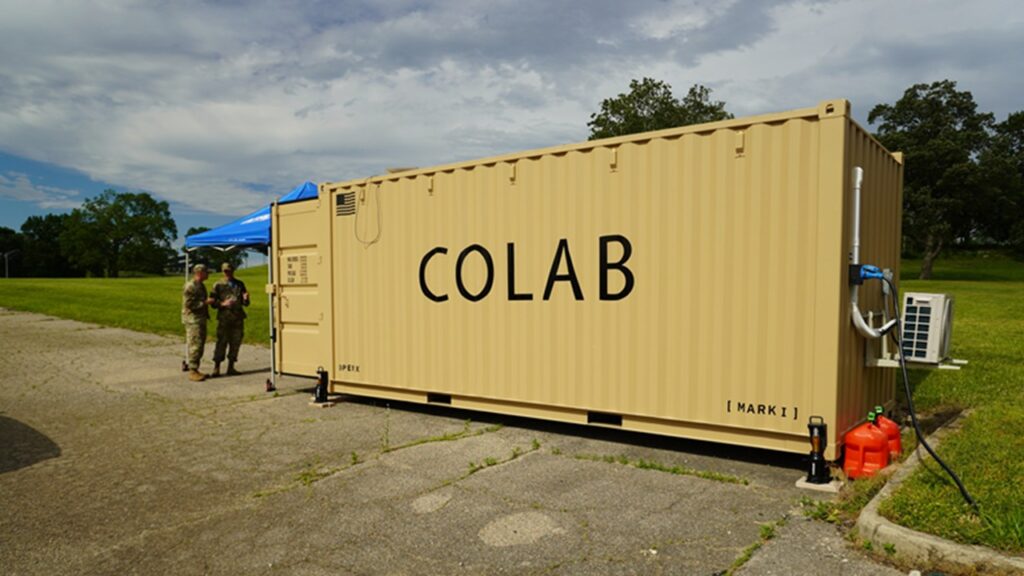
AFRL’s new Technology Transition Office (RR) unifies several warfighter integration programs to create a seamless innovation pipeline. Directed by Adam S. "Weed" Remaly, the office is anchored by the Technology Maneuver Division, which serves as a rapid execution arm to synchronize grassroots Spark cells driving base-level innovation; the Center for Rapid Innovation (CRI), which specializes in rapidly prototyping urgent operational capabilities in under two years; and tactical operational demand capture programs.
A prime example of this integrated rapid response capability in action is AFRL's active participation in Weapons and Tactics Conferences. Through RR, personnel from Savage Future, a specialized program bridging the gap between lab developers and military operators, immerse S&T developers directly into tactical environments. By joining warfighters on the ground, these teams help develop and refine tactics, techniques and procedures to solve immediate combat challenges, accelerate modernization and improve joint force capabilities.
According to Remaly, this structural consolidation represents a critical shift in how the laboratory aligns its resources with the immediate, high-stakes needs of the joint force.
"This unified approach ensures we are not just developing technology in a vacuum but actively synchronizing our brightest grassroots ideas with rapid execution tools to deliver lethal, combat-ready capabilities to the warfighter when and where they need them most," said Remaly.
With this multi-pronged approach, AFRL is positioning itself to anticipate warfighter needs and have technological solutions ready for any operational challenges.
AFRL’s cultural shift supports the Department of the Air Force’s broader transformation of acquisition into a warfighting function by prioritizing speed, agility and responsible risk-taking to deliver combat-ready capabilities.
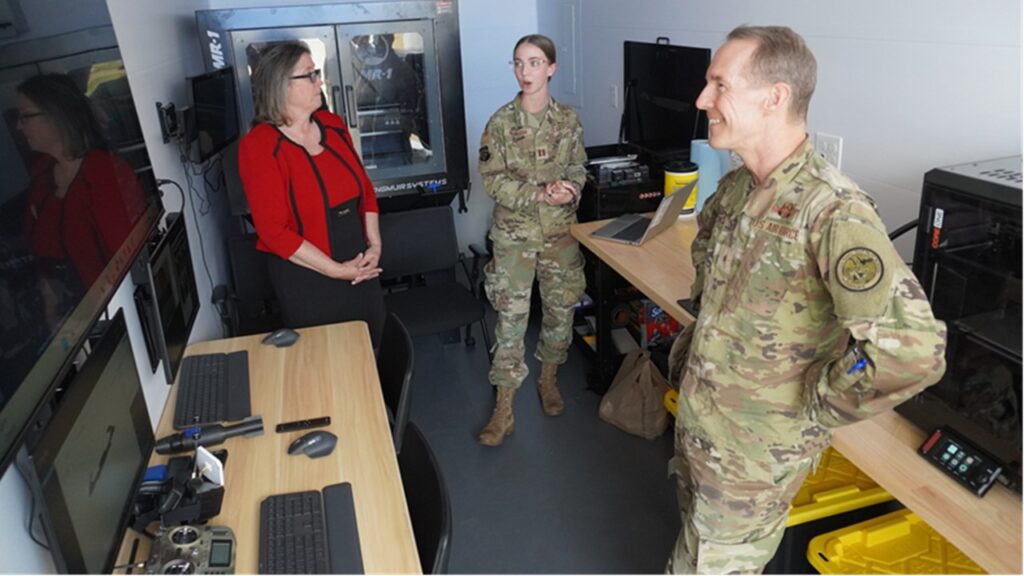
"Science and technology developed within 18 to 24 months can save warfighters’ lives in the near future, but they’re also going to impact future generations. The next decade’s advancements depend on cultivating the warfighting mindset now," said Hodgin.
“Operationalize the Lab” will continue semiannually, with the next experience immersing a new group of AFRL scientists and engineers in the vital mission to protect the United States homeland. Participants will meet with U.S. Northern Command, North American Aerospace Defense Command, U.S. Space Command, Joint Task Force North and Alaskan Command to strengthen AFRL’s understanding of homeland security priorities.
About AFRL
The Air Force Research Laboratory is the Department of the Air Force’s primary scientific research and development center and one of six centers within Air Force Materiel Command. AFRL leads the discovery, development and delivery of technologies for air, space and the multidomain. With a workforce spanning seven mission areas at more than 40 locations worldwide, AFRL conducts research ranging from basic science to advanced technology development. For more information, visit afresearchlab.com.