HUMAN PERFORMANCE

Our greatest asset continues to be the people who serve our country. Through biological and cognitive research, we ensure the warfighter’s training and readiness. Every technology we develop is designed with human capabilities in mind.
INNOVATION AT THE CORE
The 711th Human Performance Wing (711 HPW) is a combination of Human Effectiveness and the US Air Force School of Aerospace Medicine (USAFSAM), combining ideas, resources and technologies to position AFRL as a world leader in the study and advancement of human performance.
Success Stories

AIRCRAFT DECONTAMINATION
To ensure the health and safety of Airmen amid the pandemic, a team from the Air Force Research Laboratory evaluated various aircraft decontamination methods and identified the use of heat as the most promising technique. Since the coronavirus spreads easily and may remain viable on surfaces for days under certain conditions, transporting infected patients aboard aircraft places aircrews and passengers at risk for potential exposure.

EPI LAB – EPIDEMIOLOGY REFERENCE LABORATORY
The Epi Lab, as it’s commonly referred to, is the Air Force’s sole clinical reference laboratory, and because of this, has proven experience testing respiratory infection samples and working with the Centers for Disease Control and Prevention processes. This lab has been operating since 1990.
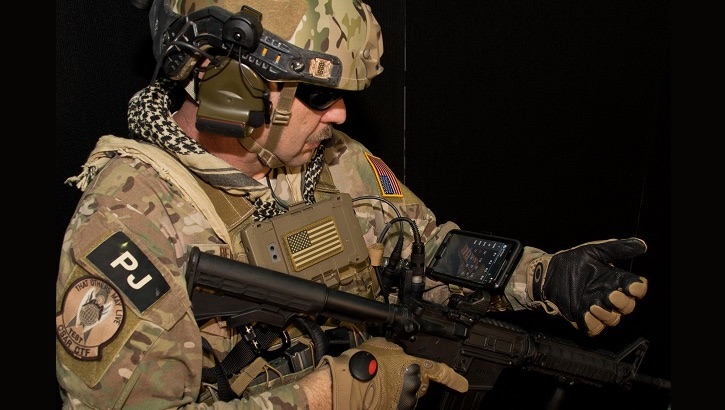
RAPID PROTOTYPING CELL
Air Force Special Operations personnel face a number of challenges in the battlefield. Many of these can be attributed to complexity and weight (over 100 pounds) of the gear they carry on a typical mission. The Rapid Prototyping Cell program works to eliminate these challenges.

Synthetic Biology
AFRL is leveraging advances in synthetic biology to optimize Airmen performance and health, and to develop next-generation materials to provide an asymmetric advantage to our warfighters and weapon systems.

Secure Live Virtual Constructive Advanced Training Environment
The Secure Live Virtual Constructive (LVC) Advanced Training Environment (SLATE) training is filling major training gaps for our pilots.